Quick Summary
Hard water can dry out skin and leave soap residue, but research does not prove it causes skin disease for most people. A 2018 study linked hard water areas to higher eczema risk, though an association is not proof. Your daily skin care routine plays a large role too.
- Hard water has high levels of dissolved calcium and magnesium.
- Soap forms a film on skin in hard water, which can feel tight or dry.
- A 2018 study found an association between hard water and atopic dermatitis.
- Check your water utility’s annual Consumer Confidence Report to learn your hardness level.
- A water softener cuts soap scum, while a shower filter usually does not soften water.
Table of Contents
- Hard Water vs Soft Water for Skin: What Is the Difference?
- What Hard Water Does to Your Skin
- How to Tell If You Have Hard Water at Home
- How Much Does the Research Really Show?
- Does a Water Softener Benefit Your Skin?
- Get Your Water Tested Before You Decide
- Frequently Asked Questions
Is Hard Water Bad for Your Skin?
Last Updated: November 8, 2026
Hard Water vs Soft Water for Skin: What Is the Difference?
Hard water is water with high levels of dissolved calcium and magnesium.
| Factor | Hard Water | Soft Water |
|---|---|---|
| Mineral content | High in calcium and magnesium | Low, minerals removed |
| Soap performance | Forms soap scum, lathers poorly | Lathers easily, rinses clean |
| Skin feel after washing | Can feel tight or dry | Often feels smoother |
| Research strength | Associations found; effects vary | Few studies compare directly |
Pros of hard water: It is naturally occurring and usually safe to drink. It requires no treatment equipment.
Cons of hard water: Minerals can leave soap residue on skin and hair.
Pros of soft water: Soap rinses off more completely. Many people describe the feel as softer.
Cons of soft water: Treatment equipment adds cost and maintenance. Softened water contains added sodium, which may matter for some households.
What Hard Water Does to Your Skin
A 2018 study in the British Journal of Dermatology found that living in a hard-water area was associated with increased risk of atopic dermatitis (The association between domestic hard water and eczema in adults from the UK Biobank…). The same study found that surfactant exposure caused greater skin-barrier impairment in hard water. British Journal of Dermatology study on water hardness and surfactant deposition in atopic dermatitis
An association is not the same as proof that hard water causes eczema. Many people with hard water have healthy skin.
Soap Residue and Dryness
The most common complaint is soap that does not seem to work. Explore customized solutions for the water you actually have to see what treatment options exist for your home. Minerals in hard water react with soap to form a film, sometimes called soap scum.
Watch out: if your skin feels worse after showering, check whether the problem appears only in hard-water areas or follows you when you travel. That pattern tells you more than any general advice.
Can Soft Water Cause Acne?
Some people wonder whether softened water could trigger breakouts. The research here is thin. Acne has many causes, including hormones, oils, and products that clog pores, and no strong evidence ties softened water to acne. If you notice breakouts after switching water systems, talk with a dermatologist rather than assuming the water is responsible.
How to Tell If You Have Hard Water at Home
You can spot common signs of hard water without special tools:
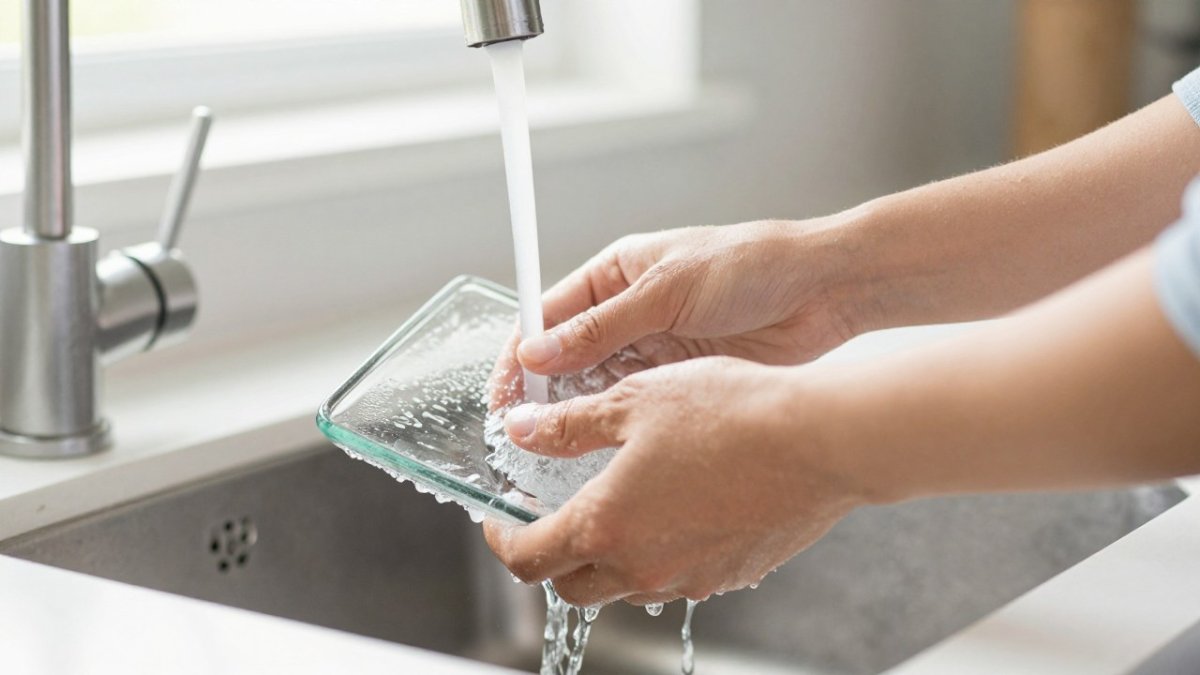
- White or gray film on faucets, showerheads, and kettles
- Soap that lathers poorly or leaves a sticky feel
- Dishes with spots after drying
- Hair that feels dull or stiff after washing
- A ring in the toilet bowl that keeps coming back
These signs suggest hard water but do not measure it exactly. To know what you are dealing with, you need a number.
What the Numbers Mean
Water hardness is usually reported in grains per gallon (gpg) or milligrams per liter (mg/L) of calcium carbonate. The two track closely: 1 gpg is about 17.1 mg/L. Most treatment guidance uses these rough bands:
- 0 to 3 gpg: soft
- 3 to 7 gpg: moderately hard
- 7 to 10 gpg: hard
- 10 gpg and up: very hard
If a report lists hardness as mg/L, divide by 17.1 to get gpg. For example, 170 mg/L is about 10 gpg.
Three Ways to Test
- Read your water utility’s annual quality report. Many community water systems publish a Consumer Confidence Report each year. It lists hardness and other measured values. Find it on your utility’s website or request a copy. This is free and tells you what comes out of the treatment plant, though your home’s pipes can change the number slightly.
- Use a home test strip or drop kit. These are sold at hardware stores and measure hardness in a few minutes. They are not lab-grade, but they are good enough to tell soft from very hard.
- Have a sample tested. A professional test gives you hardness plus iron, manganese, sulfur, and other values that affect how water feels and smells. Schedule free initial water testing at your home to learn exactly what is in your water. Kevin’s Soft Water offers free water testing at your home or in our store.
Watch out: a single test result is a snapshot. Hardness can vary by season and source, so test again if your water source changes or you notice new signs.
Softener or Shower Filter?
These two products do different jobs, and it helps to know which one fits your goal.
- A water softener removes calcium and magnesium from the whole house through ion exchange. It cuts soap scum, improves lather, and changes how water feels at every tap. It adds sodium to the water and needs salt and maintenance.
- A shower filter typically reduces chlorine, sediment, and some metals. Most shower filters do not remove calcium or magnesium, so they do not make hard water soft. They can still help if chlorine or sediment bothers your skin or hair.
If your main complaint is soap residue and tight-feeling skin after showering, a softener addresses the cause. If your complaint is chlorine smell or sediment, a filter may be the simpler first step. Some households use both.
How Much Does the Research Really Show?
The evidence is real but limited. It reported comparable, limited effects from all three water types, and it noted that the skin-care routine also mattered. Cosmetics study comparing soft, hard, and chlorinated water on atopic skin
The takeaway is that water hardness may affect some people more than others, and that daily skin care plays a large role. Be wary of anyone who claims hard water is definitely causing your skin problems.
Does a Water Softener Benefit Your Skin?
A water softener can reduce soap residue and make water feel smoother, which many people appreciate. You can compare softener rental and purchase options available in your area. Whether it changes your skin depends on your skin type, your current routine, and how hard your water is to begin with.
How Softening Works
Most home softeners use ion exchange. Hard water passes through a tank of resin beads that hold sodium ions. The beads trade sodium for calcium and magnesium, so the water leaving the tank is low in hardness minerals. Every few days the system rinses the beads with a salt solution to recharge them. That is why softeners need salt and periodic maintenance.
The Sodium Trade-Off
Because the process adds sodium, softened water contains more sodium than the source water. The amount depends on how hard the water was. For most people this is a minor dietary source, but households watching sodium intake, or anyone on a sodium-restricted diet, should talk with a doctor before drinking softened water.
Who It Helps, and Who Should Wait
Softened water tends to help most when:
- Your water tests hard or very hard (roughly 7 gpg and up)
- You notice soap scum, spotting, or a tight feeling after showering
- Your skin is dry or sensitive and you want fewer residues left behind
It may matter less when your water is already soft, when your skin issues come from products or a medical condition, or when the cost and maintenance do not fit your budget. Softened water is not a treatment for eczema or acne, and it does not replace a skin-care routine or a doctor’s advice.
Cost and Maintenance in Plain Terms
A softener has an upfront price, ongoing salt use, and occasional service. Kevin’s Soft Water offers water softener sales, rentals, and installation and can walk you through which option fits your situation.
Watch out: if you switch to softened water and your skin gets worse rather than better, do not assume the softener is at fault. Change one thing at a time, water, then cleanser, then moisturizer, so you can tell what actually helped.
Get Your Water Tested Before You Decide
Start with facts about your own water. A free test shows your hardness level and any other issues, such as iron or sulfur, that could affect how water feels and smells.
If your skin bothers you, bring it up with a doctor or dermatologist too. Water is one factor among many.
Want to know what is really in your water? Schedule a Free Water Test with Kevin’s Soft Water.
Frequently Asked Questions
Is hard water or soft water better for skin?
Soft water may feel gentler on skin for some people because it leaves less mineral residue. Hard water contains more calcium and magnesium, and those minerals can combine with soap to form a film that is harder to rinse off. Research on hard water and skin is still limited, so results vary from person to person. A free in-home water test from Kevin’s Soft Water can show exactly what is in your water before you decide anything.
Can hard water make dry or itchy skin worse?
It can, mainly for people who already have dry or sensitive skin. Mineral residue left after showering may make skin feel tight or itchy, especially if soap does not rinse away completely. Hard water does not cause every case of dry skin, though. If itching or redness continues despite changes to your water and skin-care routine, talk with a doctor or dermatologist. They can rule out other causes.
Can soft water cause acne?
Soft water is not known to cause acne. Acne has many causes, including oil production, clogged pores, hormones, and certain products. If breakouts are a concern, a dermatologist is the best person to evaluate them.
How can I tell if my water is hard?
Common signs include a white, chalky film on faucets and showerheads, soap that does not lather well, and dishes or glassware with spots after washing. Hair that feels dull or tangled after washing can also point to hard water. For a clear answer, a free water test from Kevin’s Soft Water measures the minerals in your water can measure the minerals in your water.
